Eye Care 101
Frequently Asked Questions
Answers from our optometrists to the questions we hear most often. If yours is not here, call any office or send us a note.
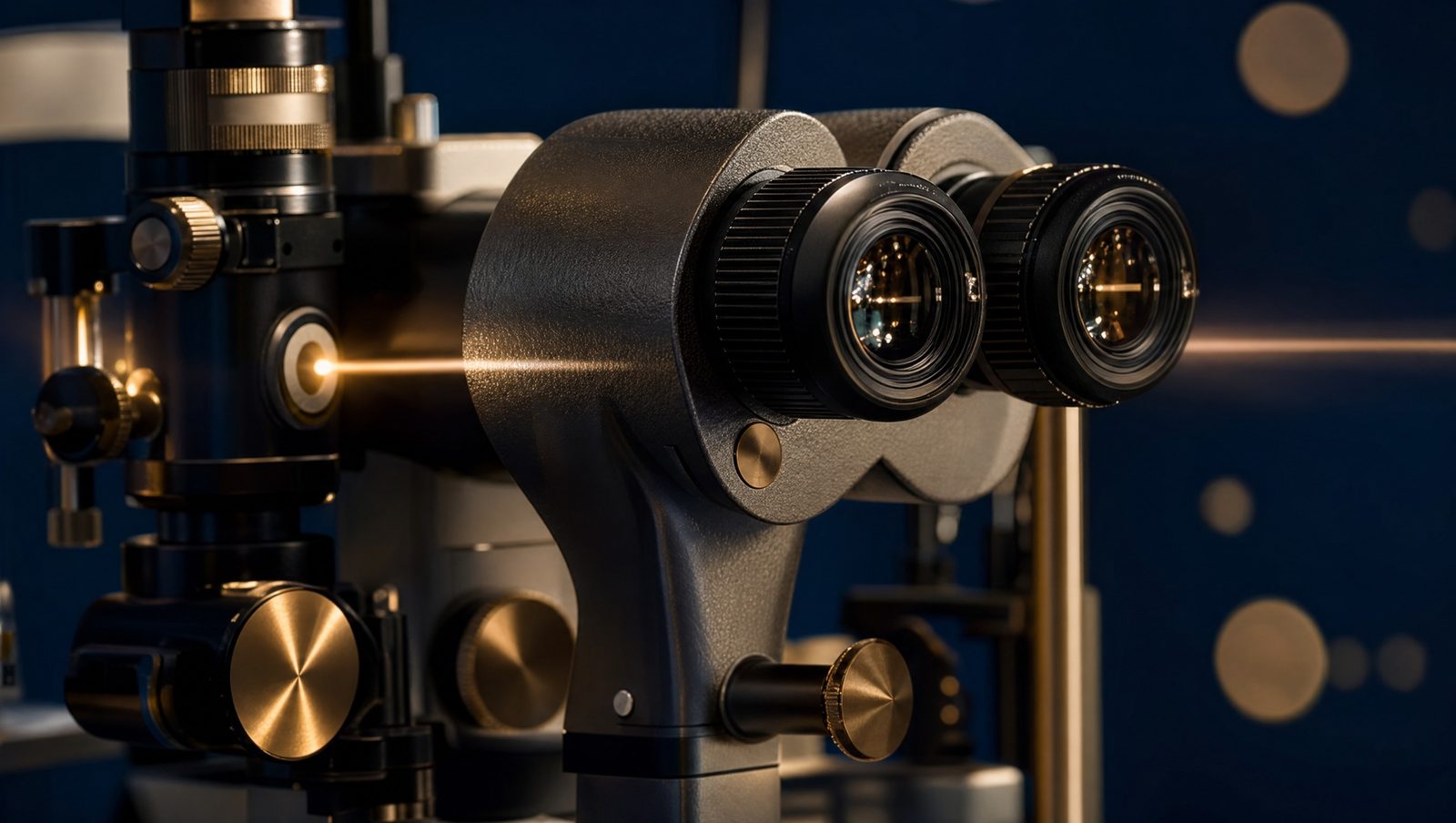
Get answers to your questions
What does 20/20 vision mean?
20/20 vision is a term used to express normal visual acuity (the clarity or sharpness of vision) measured at a distance of 20 feet. If you have 20/20 vision, you can see clearly at 20 feet what should normally be seen at that distance. If you have 20/100 vision, it means that you must be as close as 20 feet to see what a person with normal vision can see at 100 feet.
At what age should children have their first eye exam?
The American Optometric Association (AOA) recommends that children should have their first eye examination at age 6 months, then at 3 years of age, and then again before he or she enters school. Vision development and eye health problems can be more easily corrected if treatment is begun early.
My child likes to read in the dark or near dark. Is this harmful?
Reading or working under low lighting does not have any harmful physical effect.
Will wearing eyeglasses make me dependent on them?
No. Eyeglasses and contact lenses allow you to see clearly and comfortably. After their removal, you see less comfortably. This contrast is what makes some people believe their vision is worse after wearing corrective lenses. Corrective lenses do not cure the vision disorder; they only correct the symptoms.
Do eye exercises improve vision?
Eye exercises cannot eliminate or reduce one’s need for corrective lenses. They can, however, correct certain eye misalignment problems like strabismus.
What is a lazy eye?
Lazy eye, or amblyopia, is the reduction of central vision in one eye that is unassociated to any eye health problem. It can result from a failure to use both eyes together. Lazy eye is often associated with crossed-eyes (strabismus) or a large difference in the refractive power (anisometropia) between the two eyes. If amblyopia is diagnosed before the age of six, it can often be corrected with eyeglasses, prisms, vision therapy, and eye patches over the “good eye” to force the “lazy eye” to learn to focus.
What is the difference between ophthalmologists, optometrists, and opticians?
Ophthalmologists are physicians (medical doctors) who specialize in the detection and treatment of eye diseases. Ophthalmologists may prescribe eyeglasses and contact lenses, medication, or perform surgery, as necessary. Optometrists are independent primary health care providers who examine, diagnose, treat and manage diseases and disorders of the eye. They prescribe eyeglasses and contact lenses and medications. Optometrists, however, do not perform surgery. Opticians adjust and fit optical products such as eyeglasses.
Can my eyes get sunburned?
Yes. Exposure to excessive amounts of UV radiation can result in a condition called photokeratitis or snowblindness. The effect typically occurs at high altitudes on reflective snow surfaces or, less common, with a solar eclipse. Artificial sources of UVB such as suntanning beds, a welder’s flash, and lightning can also cause photokeratitis. Symptoms of photokeratitis include: red eyes, a foreign body sensation, excessive tearing, and extremes light sensitivity. Fortunately, these symptoms are usually temporary and rarely cause permanent damage to the eyes. Prevention involves sunglasses with 100% UVA and 100% UVB protection and full coverage of the eyes (side shields).
More Questions Our Patients Ask
If you do not see your question here, contact us and we will be happy to help.
Eye Exams and Appointments
How often should I have an eye exam?
The American Optometric Association recommends a comprehensive eye exam every one to two years for adults, depending on your age and risk factors. Children should have their first eye exam at 6 months, again at age 3, and before starting school. Adults over 60 and anyone with diabetes, a family history of glaucoma, or other risk factors should be examined annually. Regular eye exams catch vision problems and eye diseases early, when they are most treatable.
What happens during a comprehensive eye exam?
A comprehensive eye exam at Dr. Holbert & Associates typically takes 30 to 60 minutes. Your doctor will check your visual acuity, test your eye pressure for glaucoma risk, examine the health of your retina and optic nerve, evaluate your eye coordination and focusing ability, and determine your eyeglass or contact lens prescription.
Do I need an appointment, or can I walk in?
We recommend scheduling an appointment to ensure you get dedicated time with your doctor. However, we do accept walk-ins based on availability and always accommodate eye emergencies. Call your nearest location to check same-day availability: San Jose (Oakridge) at 408.281.3381, Santa Clara (Valley Fair) at 408.243.9394, or Sunnyvale at 408.245.5725.
Contact Lenses
Can I wear contact lenses if I have astigmatism?
Yes. Modern toric contact lenses are specifically designed for astigmatism and provide excellent vision correction. We carry daily, bi-weekly, and monthly toric lenses from major brands. Our doctors will perform a contact lens fitting to determine the best lens type, brand, and parameters for your prescription and eye shape.
What are the best contact lenses for dry eyes?
If you experience dry eyes with contact lenses, daily disposable lenses are often the best option because you start with a fresh, moist lens every day. Our doctors can also evaluate whether your dry eye has an underlying cause that can be treated to improve your overall lens-wearing comfort.
How long does a contact lens fitting take?
A contact lens fitting typically takes 30 to 45 minutes on top of your regular eye exam. Your doctor will measure your corneal curvature, evaluate your tear film, and select trial lenses for you to test. First-time wearers also receive training on how to insert, remove, and care for their lenses.
Insurance and Payment
What insurance plans do you accept?
We accept most major vision insurance plans, including VSP, EyeMed, MES, and Spectera. If you are unsure whether we accept your plan, please call our office and our staff will verify your coverage before your appointment. We also offer competitive self-pay rates for patients without vision insurance.
How much does an eye exam cost without insurance?
The cost of an eye exam without insurance varies depending on the type of exam you need. Please call your nearest location for our current self-pay rates. Our staff can discuss payment options with you.
Eye Health and Conditions
What are the early signs of glaucoma?
Glaucoma is often called the silent thief of sight because it typically has no symptoms in its early stages. By the time you notice vision loss, significant and irreversible damage may have already occurred. This is why regular eye exams are critical: your optometrist can detect elevated eye pressure and early optic nerve changes before you experience any symptoms.
What causes dry eyes and how is it treated?
Dry eye can be caused by aging, hormonal changes, medications, environmental factors, and underlying conditions like meibomian gland dysfunction. Treatment depends on the cause and severity and may include artificial tears, prescription eye drops, warm compresses, lid hygiene, or in-office procedures.
What is computer vision syndrome?
Computer vision syndrome (digital eye strain) is a group of eye and vision problems caused by prolonged use of computers, tablets, and smartphones. Symptoms include eye strain, headaches, blurred vision, dry eyes, and neck or shoulder pain. Our doctors can evaluate your symptoms and prescribe specialized computer glasses if needed. This is especially common among tech professionals in Silicon Valley.
How do I know if I need glasses?
Common signs include squinting to see distant objects, holding reading material at arm length, frequent headaches after reading or screen work, difficulty seeing while driving at night, and eye fatigue. A comprehensive eye exam is the only way to accurately determine whether you need corrective lenses.
Our Practice
How many locations does Dr. Holbert & Associates have?
We have three convenient locations in the South Bay: San Jose (inside Westfield Oakridge Mall at 925 Blossom Hill Rd), Santa Clara (inside Westfield Valley Fair Mall at 2855 Stevens Creek Blvd), and Sunnyvale (Cherry Orchard Plaza at 320 W. El Camino Real). All three offer comprehensive eye exams, contact lens fittings, and a full-service optical shop.
Do you offer emergency eye care?
Yes. If you are experiencing an eye emergency such as sudden vision loss, eye pain, a foreign object in your eye, a chemical splash, or flashes and floaters, call our office immediately. We will do our best to see you the same day. If our office is closed, please go to your nearest emergency room for urgent eye conditions.